Monday, 5 June 2023

Common Pediatric Dental Procedures: What Parents Should Know

Common Pediatric Dental Procedures

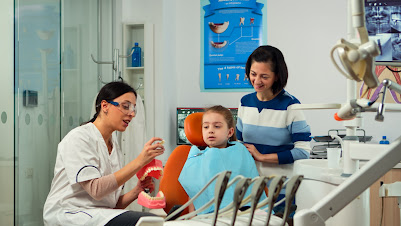
As parents, we strive to provide the best care for our children's health. From regular check-ups to addressing specific concerns, dental care plays a vital role in maintaining their overall well-being. Understanding common pediatric dental procedures can help ease any anxieties and ensure that you're equipped with the knowledge to support your child's oral health. In this blog, we'll explore some of these procedures and provide insights for parents.

1. Dental Examinations:

Regular dental examinations are essential for identifying potential issues early on and maintaining oral health. During these visits, the dentist will thoroughly examine your child's teeth, gums, and oral tissues. They will also assess the growth and development of your child's teeth, provide oral hygiene instructions, and discuss any concerns or treatment recommendations.

2. Dental Cleanings:

Professional dental cleanings are vital to maintaining a healthy smile. Even with proper at-home oral hygiene practices, plaque and tartar can accumulate in hard-to-reach areas. Dental hygienists will gently remove these deposits, polish the teeth, and offer tips on brushing and flossing techniques tailored to your child's age and needs. Cleanings not only prevent cavities but also leave your child's teeth feeling fresh and clean.

3. Fluoride Treatments:

Fluoride is a natural mineral that helps strengthen tooth enamel, making it more resistant to decay. Fluoride treatments involve applying a concentrated gel or varnish to the teeth. It is a quick and painless procedure that provides added protection against cavities. Your dentist may recommend fluoride treatments based on your child's risk of tooth decay or as part of a preventive regimen.

4. Dental Sealants:

Dental sealants are thin, protective coatings applied to the chewing surfaces of molars and premolars. These back teeth have grooves and crevices that are susceptible to cavities. Sealants act as a barrier, preventing food particles and bacteria from getting trapped and causing decay. The procedure is painless, non-invasive, and can significantly reduce the risk of cavities in these vulnerable areas.

5. Fillings:

If your child has a cavity, a dental filling is typically the most common treatment. The dentist will remove the decayed portion of the tooth and fill the space with a durable and tooth-coloured material. Fillings restore the tooth's function, prevent further decay, and blend seamlessly with the natural tooth structure. Dentists strive to make the process comfortable and pain-free for your child through the use of local anaesthesia or sedation if necessary.

6. Dental X-rays:

Dental X-rays are an invaluable tool for diagnosing oral health issues that may not be visible during a visual examination. They help dentists detect cavities, evaluate the growth of permanent teeth, and assess the development of the jaw and facial bones. Pediatric dental offices prioritize safety by using low-dose digital X-ray machines and taking necessary precautions to protect your child during the procedure.

Conclusion:

Understanding common pediatric dental procedures empowers parents to actively participate in their child's oral health journey. Regular dental check-ups, cleanings, fluoride treatments, sealants, fillings, and X-rays contribute to maintaining a healthy smile and preventing potential problems down the road. By staying informed and fostering positive dental experiences, parents can lay a foundation for a lifetime of good oral hygiene habits for their children. Remember, a healthy smile is a happy smile! To know more visit https://www.roselanddentaltoronto.ca/ or call us at 416-743-4155.

Tuesday, 2 May 2023

Getting porcelain veneers with gum disease or tooth decay

Porcelain veneers are a popular cosmetic dental treatment that can transform the appearance of your smile. They are thin, custom-made shells that are placed over the front surface of your teeth to improve their shape, size, color, and overall appearance. However, many people wonder if they can get porcelain veneers if they have gum disease or tooth decay. The answer is not a simple yes or no, as it depends on the severity of your condition and your overall oral health.


Cosmetic dentists in toronto

Let's start with gum disease

Gum disease is a common condition that affects millions of people worldwide. It is caused by the buildup of plaque and tartar on the teeth, which leads to inflammation and infection of the gums. The early stage of gum disease is called gingivitis, and it can be reversed with proper oral hygiene and professional dental cleanings. However, if left untreated, gingivitis can progress to periodontitis, which is a more severe form of gum disease that can cause irreversible damage to the gums and the supporting structures of the teeth.

If you have gum disease, your dentist will need to treat it before considering porcelain veneers. This is because placing veneers on unhealthy gums can lead to complications such as gum recession, infection, and even tooth loss. Your dentist will evaluate the severity of your gum disease and recommend an appropriate treatment plan, which may include deep cleaning, scaling and root planning, antibiotics, or surgery. Once your gum disease is under control and your gums are healthy, you can proceed with porcelain veneers.

Now, let's talk about tooth decay

Tooth decay is also a common condition that occurs when the bacteria in the mouth produce acid that erodes the enamel of the teeth, leading to cavities. If left untreated, tooth decay can progress to the inner layers of the teeth, causing pain, sensitivity, and even tooth loss. If you have tooth decay, your dentist will need to treat it before considering porcelain veneers. This is because placing veneers on decayed teeth can lead to complications such as infection, nerve damage, and even tooth loss.

Your dentist will evaluate the extent of your tooth decay and recommend an appropriate treatment plan, which may include fillings, root canal therapy, or extraction. Once your tooth decay is treated and your teeth are healthy, you can proceed with porcelain veneers.


In summary, you can get porcelain veneers if you have gum disease or tooth decay, but only after your condition is treated and your oral health is restored. Your dentist will evaluate your individual case and recommend the best treatment plan for you. Porcelain veneers can be a great way to enhance the appearance of your smile, but it's important to prioritize your oral health first.


In conclusion, porcelain veneers are a cosmetic dental treatment that can provide a dramatic transformation to your smile. If you have gum disease or tooth decay, it's essential to prioritize your oral health and seek treatment before considering veneers. With proper care and maintenance, porcelain veneers can provide a beautiful and long-lasting improvement to your smile. To know more visit https://www.roselanddentaltoronto.ca/ or call us at 416-743-4155.

Monday, 13 March 2023

Is it safe to wear dentures overnight?

Dentures in Toronto

Dentures are a great option for patients who have lost their teeth due to injury, decay, or other oral health problems. They aid in the restoration of your smile, make eating and speaking simpler, and provide support for your face muscles. However, one frequently asked topic is whether it is safe to wear dentures overnight. This blog post will go over the subject in depth and offer you with all of the necessary information.

Let's start with the fundamentals. Dentures are prosthetic devices that are removable and used to replace missing teeth. They can be fashioned of a variety of materials, including acrylic resin, porcelain, or a combination of the two. They fit over your gums and can be held in place with suction or dental glue.

So, is it safe to sleep with dentures on? The simple answer is no. Dentists often advise patients to remove their dentures before going to bed and to store them in a container filled with water or denture cleaning. Here are some of the reasons:

Oral hygiene: Wearing dentures overnight can cause germs, plaque, and food particles to accumulate in your mouth, causing foul breath, gum disease, and other oral health issues.

Irritation and inflammation: Wearing dentures for an extended period of time can cause gum and oral tissue irritation and inflammation, resulting in discomfort and even infection.

Bone loss: Taking your dentures out at night allows your gums to relax and encourages healthy blood flow to your oral tissues, which can help prevent bone loss and keep your jawbone in shape.

Denture longevity: Removing your dentures at night and correctly storing them can help extend their lifespan, ensuring that they are comfortable and useful for a longer period of time.

In addition to the reasons stated above, there are several other aspects to consider when wearing dentures overnight. For example, if you grind your teeth at night, wearing dentures might aggravate the problem and cause harm to your prosthetic device.’

So, what should you do if you have to sleep with your dentures on? In some situations, your dentist may advise you to wear them only for a short time, such as during the first adjustment period. If you must wear dentures overnight on a regular basis, however, follow these guidelines:


  • Before going to bed, take out and clean your dentures.
  • Soak your dentures overnight in water or a denture cleaning.
  • Before replacing your dentures, rinse your mouth and wash your gums, tongue, and palate.
  • Consult your dentist if you are experiencing pain, inflammation, or other oral health issues.

To summarise, while wearing dentures overnight may appear to be a handy choice, it is not recommended for a variety of reasons. Instead, remove your dentures before going to bed and take excellent care of them to ensure their longevity and good oral health. Always remember that a healthy smile is a happy smile! To know more visit https://www.roselanddentaltoronto.ca/ or call us at 416-763-3368.

Tuesday, 10 January 2023

Understands basic 4 facts about root canals before going for one

Many have been detected with a severe dental infection and had to cover the entire tooth to keep the infected roots clean. The process has been a painful journey for many but thanks to the dedication of professionals and the contribution of technology. It has been a terrific feeling for a long time.

Root Canal Treatment in Toronto

The root canal was the fruit of their efforts which many now enjoy. This technique has helped many save infected teeth and roots from maintaining their natural dental structure.

1.      What do you mean by the root canal?

This process involves the removal of the infection from the pulp. The whole part is thoroughly cleaned and covered with a metal cap to prevent the occurrence of infection again. This mainly saves the natural tooth. It protects the root and keeps the teeth healthy in their natural form.

2.      When one should go for the treatment?

A root canal treatment is primarily suggested for a chipped or cracked tooth or one where an infection has reached up to the roots. It is also used when the previous filling is loosened and needs to be appropriately covered. Yet following mentioned are the reasons to go for the treatment:

  1. Tooth Sensitivity
  2. Severe pain while biting or chewing
  3. Pimple-kind bums over the gums
  4. Very tender or swollen gums, which might have blood with slight irritation
  5. Abscessed tooth

3.      Is the treatment painful?

The process is painful, but you won’t feel any of it as the professionals use anesthesia before even touching your tooth. Dentists can even keep you sedated if the infection is intense, which might take a long time. 

Once the procedure is complete, the patient might feel slight discomfort and pain for some days. It gets better with time and habitual with the setting.

4.      How much time does it take approximately?

The requirement of time depends on the severity of the infection. It usually needs 1-2 settings to complete the treatments, but an additional session can be counted for consultation. To put the number in time, the process takes around 30-90 minutes, considering the severity of the infection.

Concluding note

In case of any doubt about previous treatment or facing any of the symptoms mentioned above, contact the Roseland dental office immediately. The process is simple, but only an experienced one should be trusted. They provide a separate consultation session to the patient to make them understand everything in detail.

Thursday, 27 October 2022

What Are Porcelain Veneers and How Do They Work?

Porcelain veneers are a secret ingredient to regain your confidence. Those who feel hesitant to speak or smile because their teeth are stained, misaligned or chipped can get a smile makeover with porcelain veneers. If you are also willing to improve your smile, you can read this post and learn everything about dental veneers and how they work.

Porcelain Veneers in Toronto, ON

What are porcelain veneers?

Dental veneers on teeth are similar to laminates on furniture. They are very thin and custom-colored shells that are used to hide imperfections in the front teeth.  They are remarkably durable and offer the benefit of natural-looking appearance.

When porcelain veneers are recommended?

Dental veneers are used to fix a variety of cosmetic problems, such as:

·         Stained or discolored teeth

·         Chipped or broken teeth

·         Slightly misaligned teeth

·         Gapped teeth

Porcelain veneers are a great choice if you have irregularly shaped teeth or have badly stained teeth on which teeth whitening treatments are not that effective.

Porcelain veneer procedure

It usually takes around two-three trips to get the veneer work done. After the consultation session and a thorough evaluation of your teeth, the dentist will reshape the teeth to add the veneer on top.

The process of trimming the enamel can be discomforting for some. But don’t worry, sedation can be used to make the process hassle free. Next, the impression of the teeth is taken to make a model of the desired veneer size.

You will have to wait for around two weeks to get the veneer model done at a dental laboratory. You can use temporary veneers during the waiting period or directly get the final veneers placed after two weeks.

A precise fit and a similar teeth shade are ensured during the final dentist appointment. After placing the veneers, the teeth are thoroughly cleaned and further polished to make them look like natural teeth.  Veneers harden real quick so you are good to go. In some cases, follow up appointments are needed to confirm the precise placement of veneers.

Are porcelain veneers worth it?

Dental veneers are great for stained teeth. Porcelain veneers are superior in terms of stain resistance and durability. They are maintenance free and desired by many for natural tooth appearance. However, in case of an accident or injury, veneers can chip and cannot be repaired. A dislodged veneer can only be replaced with an entirely new set.

Final words

Porcelain veneers are great for a smile makeover. If you are also interested in getting perfectly white and natural-looking dental veneers then book an appointment at Roseland Dental clinic. It is the best Community Dental Office in the Mount Dennis Area of Toronto.

Tuesday, 13 September 2022

Why Do My Teeth Look Patchy After Whitening? - Roseland Dental

Teeth getting yellow or stained is a common problem. Due to our lifestyle preferences and eating habits, we might have to deal with unsightly stained teeth. A popular and easy solution to get a bright smile is to opt for teeth whitening treatment.

Teeth Whitening

Instead of using at-home teeth whitening strips, it is recommended to get it done at a dentist’s office for the best results. Still, some people notice uneven patches after whitening, let’s find out the underlying reason for it.

What causes uneven results of teeth whitening?

Although it is uncommon to get patchy looking teeth after a whitening treatment, still there are certain possibilities affecting the results. For instance, some teeth have less calcium than others. Based on the composition the effect of bleach would be different. The same applies to the amount of enamel on teeth. Enamel is higher at the center of the teeth as compared to the edges, which respond quickly and may result in patches.

What should be done to prevent patchy teeth after whitening?

·    In office treatments: Customized treatment is essential to get the best teeth whitening results. When you go to a dentist, they carefully assess your condition and prepare a solution best suited to your needs. Over-the-counter strips or gels might lead to patchy results; whereas an experienced dentist pays attention to the structure and composition of your teeth and use medical grade products to offer the best results.

·    Dietary restrictions: pay attention to whatever the dentist said regarding the post-treatment care of teeth. As discussed above certain lifestyle choices and diets can affect the whitening results. So make sure to avoid things that can stain your freshly bleached teeth.

For instance, resist the urge to consume dark coloured food and beverages. Avoid drinking coffee or red wine for a few days. If you really want to drink something that might stain your freshly bleached teeth, use a straw and make sure to use mouthwash immediately.

·    Follow up: Teeth whitening is not a permanent solution to yellow teeth. You need to see the dentist regularly for touch-ups. It is recommended to go to a dentist once every six months to maintain the flawless results of teeth whitening.

Conclusion

Teeth whitening treatments are very common to regain confidence. If you think patchy results would hurt your self-esteem, you need to book an appointment with an experienced dentist. For more details, contact Roseland Dental, which is a community dental office in Toronto.

Wednesday, 6 July 2022

3 Dental Issues Treated with Botox

Do you believe that Botox is used to get rid of fine lines and wrinkles? Well, you are not alone who underestimated the power of Botox. Thanks to medical advancement, now Botox can get you the desired smile makeover too! Surprising enough, isn’t it? In today’s post, we will discuss the top 3 dental issues, which dentists recommend treating with Botox.

1.      Teeth grinding: The condition which leads to teeth grinding or clenching is known as bruxism. The major causes behind teeth grinding are physical. When left untreated it leads to tooth pain and unwanted tooth wear. The contraction of muscles leads to teeth clenching, so using Botox offers revolutionary results. If you are experiencing severe jaw pain and headache due to bruxism, Botox can offer remarkable benefits by relaxing the jaw and face muscles.

2.      TMJ disorder: TMJ (Temporomandibular Joints) connects the jaw to the skull. TMJ is crucial for lots of functions like chewing, speaking and biting. If the joint is strained, it causes pain and opening and closing the mouth become difficult. The muscle spasm that patients notice due to TMJ disorders can be treated effectively through Botox. Through this revolutionary treatment, the dentist can help you relieve muscle tension.

3.      Masseter hypertrophy: Masseter muscles are responsible for chewing actions. Due to TMJ or other rare disorders, the masseter muscles start to enlarge. Although it is a benign condition, still some people don’t like the one side of their jaw is enlarged and hence the entire face is looking asymmetrical. Masseter hypertrophy is basically an aesthetic concern and therefore simple treatment procedures are more preferred for it. Earlier the enlarged muscles were treated using surgical procedures, but nowadays a relaxing Botox injection can also work wonders. Using Botox for masseter hypertrophy, dentists can offer the service of re-contouring the jawline and the face.

      Final words

      Botox is non-surgical management of certain dental conditions. Hence, it is highly preferred by patients who don’t want to wait for the recovery periods. It is also a pain-free procedure and can you from the hassles of getting under the surgical knife. If you are suffering from masseter hypertrophy, TMJ disorder or bruxism then look no further and opt for Botox treatment. You would be surprised to see the results that can be achieved so effortlessly.

      If you are also interested in getting the non-invasive cosmetic, book an appointment at Roseland Dental clinic. They specialize in delivering pain-free Botox experiences at an affordable price.

Monday, 23 May 2022

4 Easy Ways for You to Avoid a Root Canal Treatment in Toronto

root canal treatment toronto

Root canals are dental treatments that remove the damaged dental pulp in order to eradicate infected root systems. Because no one wants to go through the pain of a root canal, here are some preventive strategies that you can do to avoid root canals.

Dental Exams on a Regular Basis:

Make an appointment with your Gainesville family dentist. Many families have previously paid for a family dentist's services, but they do not use their subscriptions. You must ensure that all members of your family have regular dental examinations from your local family dentist. This will aid in the detection of dental disorders at an earlier stage, avoiding the need for more extensive treatment.

Brush Twice Every Day:

It's easier said than done to brush your teeth twice a day. Many adults neglect to brush their teeth at night, making it difficult for them to instill the habit in their children. Brushing twice a day is advised by the dental professionals in Canada as one of the most effective ways to avoid dental diseases. Brushing twice a day should be instilled in your children if you want them to avoid dental clinics.

Hard Foods Should Be Avoided:

Dentists advise young children to avoid eating hard foods until their teeth have fully formed. Regular eating of hard foods weakens and breaks the teeth, making it easier for bacteria to enter the mouth. Regular dental care and inspection will aid in the detection of cracked and worn dental systems and may prescribe immediate actions to prevent germs from entering the root system.

Drinks That Are Acidic Should Be Avoided:

The majority of store-bought foods and beverages have a high acidic content, which is usually utilized as a preservative. It would be difficult to avoid all acidic drinks and foods, however, foods and beverages with high acidic content, such as soda and citrus fruits, should be avoided. They erode the enamel of the teeth, allowing germs to feast on the root. In Toronto they also provide an ideal environment for microorganisms.

It is your obligation as a parent to ensure that your children's oral health is optimal in order to avoid root canals. When home cures fail in Toronto, it is strongly advised that you seek help from a dentist.

At Roseland Dental Toronto, you will find the finest oral professionals who will help you lead a healthier lifestyle with better oral health. Connect with Roseland Dental clinic today, and find assistance at: https://www.roselanddentaltoronto.ca/.

Wednesday, 2 March 2022

The Top 3 Myths about Porcelain Veneers in Toronto Are Explained with Facts

porcelain veneers toronto

Are you putting off having a brighter, more even smile because of misconceptions regarding porcelain veneers? Here are eight of the most prevalent porcelain veneers myths, along with the truth about this transformational cosmetic dentistry technique.

Myth #1: Veneers Will Make My Teeth Look Fake:

Turn on your black light and prepare for better news if the thought of porcelain veneers makes you think of the Friends episode "The One with Ross' Teeth." While bleach-white veneers can brighten and lighten your smile, they are not the only option. Veneers come in a variety of tooth-colored tones, letting you select a natural-looking shade that complements your overall appearance, skin tone, and age.

FACT:

Porcelain veneers are available in a range of natural-looking colors. Porcelain veneers are absolutely indistinguishable from real teeth since they are custom-made to fit precisely on your specific teeth.

Myth #2: Veneers Are Only For The Conceited:

When it comes to a person's most remembered facial feature, it's usually their smile. Because smiles are such an important part of our social interactions in Toronto, how you feel about yourself can have a big impact on your social life and self-esteem. While being pleased with the appearance of your grin can boost your confidence and make you feel more expressive and carefree, being unsatisfied with it can cause social anxiety, limit your self-expression, and prevent you from pursuing a career and social opportunities.

FACT:

The consequences of being unhappy with your smile go beyond the surface. Porcelain veneers are a life-changing dental treatment that can boost your social confidence and sense of well-being by correcting a wide range of cosmetic difficulties.

Myth #3: Veneers Are Exclusively Used To Improve The Appearance Of The Top Front Teeth.

Though we regret to inform you that your top front teeth have been termed "the social six," we are happy to advise you that porcelain veneers can address cosmetic difficulties that extend beyond these six teeth. Most people can see at least 14 teeth when they smile or talk, all of which can be fixed with porcelain veneers.

FACT:

Porcelain veneers can be used to cover flaws on the front surfaces of your teeth on both the upper and lower arch.

To address stains, chipping, unevenness, discoloration, and gummy grins, porcelain veneers are one of the most versatile and respected cosmetic dental treatments at Roseland Dental.

Contact our office of Roseland Dental to set up a consultation, and learn how veneers can completely improve the appearance of your smile, at: https://www.roselanddentaltoronto.ca/.

Thursday, 20 January 2022

7 Dental Care Tips to Keep Your Teeth Healthy

A lifetime of dental care is required to achieve healthy teeth. It's critical to take the proper precautions every day to care for them and avoid complications. This entails using the proper oral care products and being aware of your regular behaviours.

dental care toronto

  1. Avoid Sugary Foods and Drinks

Do you ever have a fuzzy or gritty feeling in your teeth? If this is the case, you may be leaving dental plaque on your teeth. Plaque adores sugar and converts it to cavity-causing acid. After consuming sugary foods, you may notice a plaque on your teeth. It's crucial to read labels in the shop because many foods that we consider "healthy" are harmful to our teeth. Some yoghurt flavours, for example, may contain a lot of sugar. Sports beverages, on the other hand, frequently contain more sugar than the average person realizes. It would be easier for you to avoid oral health problems if you limit sugary foods and drinks.

  1. Avoid Smoking, Chewing Tobacco, & Alcohol

One of the most damaging habits to your dental health is smoking. Tooth discolouration, plaque/tartar build-up, gum disease, tooth loss, and oral cancer are all caused by smoking. It also hinders the capacity of your mouth to heal after an injury. Alcohol, like smoking, can harm your oral health. Alcohol dries out your mouth and reduces saliva production, allowing bacteria and plaque to thrive. Because a lot of alcohol is sweet and acidic, it causes tooth decay and eventually tooth loss. People who drink alcohol regularly are more likely to acquire oral cancer than those who do not.

  1. Brush Teeth Twice a Day

Brush your teeth twice a day with fluoride toothpaste, according to the American Dental Association. Fluoride is a naturally occurring mineral that has long been recognized for its advantages to dental health. Fluoridated drinking water is available in many localities to help prevent cavities. Brush for 2 minutes to ensure that you have enough time to clean all of your teeth. If you brush your teeth with one foot out the door every time, you may be leaving plaque on your back teeth, which are more difficult to reach. When people haste, it's fairly uncommon for them to acquire cavities in their back teeth.

  1. Floss Teeth Once a Day

Plaque enjoys hiding in places that toothbrush bristles can't reach. That's why flossing once a day is so crucial for removing plaque from between teeth and along the gum line. Flossing helps prevent cavities from growing in between teeth, so you won't be surprised when you come in for your next teeth cleaning and oral check-up.

  1. Use Mouth Rinse Once a Day

Plaque enjoys hiding in places that toothbrush bristles can't reach. That's why flossing once a day is so crucial for removing plaque from between teeth and along the gum line. Flossing helps prevent cavities from growing in between teeth, so you won't be surprised when you come in for your next teeth cleaning and oral check-up.

  1. Get Dental Sealant

Dental sealants are a unique coating that is commonly placed on freshly erupted molars in children, but they can also be treated to adults. They fill in the cracks and crevices in the teeth, preventing plaque build-up and cavity formation.

  1. Drink more water

Water is the finest beverage for overall health, as well as oral health. Drinking water after each meal is also a good rule of thumb. In between brushing, this can help wash away some of the unpleasant effects of sticky and acidic meals and beverages.

Regular dental check-ups can help you obtain optimal hygiene as any dental issues can be worked on at the earliest. To book an appointment with Roseland Dental clinic call us on 416-763-3368 or visit https://www.roselanddentaltoronto.ca/.

Original Source: 7 Dental Care Tips to Keep Your Teeth Healthy

Common Dental Problems That Regular Checkups Can Detect

Many dental problems can develop quietly before causing noticeable pain or discomfort. By the time symptoms become obvious, a condition may ...