Showing posts with label dentist jane street. Show all posts

Monday, 5 June 2023

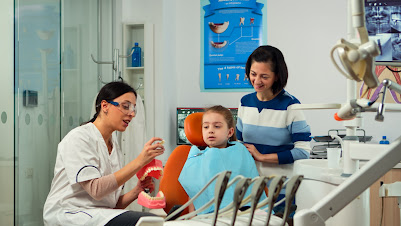
Common Pediatric Dental Procedures: What Parents Should Know

Common Pediatric Dental Procedures

As parents, we strive to provide the best care for our children's health. From regular check-ups to addressing specific concerns, dental care plays a vital role in maintaining their overall well-being. Understanding common pediatric dental procedures can help ease any anxieties and ensure that you're equipped with the knowledge to support your child's oral health. In this blog, we'll explore some of these procedures and provide insights for parents.

1. Dental Examinations:

Regular dental examinations are essential for identifying potential issues early on and maintaining oral health. During these visits, the dentist will thoroughly examine your child's teeth, gums, and oral tissues. They will also assess the growth and development of your child's teeth, provide oral hygiene instructions, and discuss any concerns or treatment recommendations.

2. Dental Cleanings:

Professional dental cleanings are vital to maintaining a healthy smile. Even with proper at-home oral hygiene practices, plaque and tartar can accumulate in hard-to-reach areas. Dental hygienists will gently remove these deposits, polish the teeth, and offer tips on brushing and flossing techniques tailored to your child's age and needs. Cleanings not only prevent cavities but also leave your child's teeth feeling fresh and clean.

3. Fluoride Treatments:

Fluoride is a natural mineral that helps strengthen tooth enamel, making it more resistant to decay. Fluoride treatments involve applying a concentrated gel or varnish to the teeth. It is a quick and painless procedure that provides added protection against cavities. Your dentist may recommend fluoride treatments based on your child's risk of tooth decay or as part of a preventive regimen.

4. Dental Sealants:

Dental sealants are thin, protective coatings applied to the chewing surfaces of molars and premolars. These back teeth have grooves and crevices that are susceptible to cavities. Sealants act as a barrier, preventing food particles and bacteria from getting trapped and causing decay. The procedure is painless, non-invasive, and can significantly reduce the risk of cavities in these vulnerable areas.

5. Fillings:

If your child has a cavity, a dental filling is typically the most common treatment. The dentist will remove the decayed portion of the tooth and fill the space with a durable and tooth-coloured material. Fillings restore the tooth's function, prevent further decay, and blend seamlessly with the natural tooth structure. Dentists strive to make the process comfortable and pain-free for your child through the use of local anaesthesia or sedation if necessary.

6. Dental X-rays:

Dental X-rays are an invaluable tool for diagnosing oral health issues that may not be visible during a visual examination. They help dentists detect cavities, evaluate the growth of permanent teeth, and assess the development of the jaw and facial bones. Pediatric dental offices prioritize safety by using low-dose digital X-ray machines and taking necessary precautions to protect your child during the procedure.

Conclusion:

Understanding common pediatric dental procedures empowers parents to actively participate in their child's oral health journey. Regular dental check-ups, cleanings, fluoride treatments, sealants, fillings, and X-rays contribute to maintaining a healthy smile and preventing potential problems down the road. By staying informed and fostering positive dental experiences, parents can lay a foundation for a lifetime of good oral hygiene habits for their children. Remember, a healthy smile is a happy smile! To know more visit https://www.roselanddentaltoronto.ca/ or call us at 416-743-4155.

Monday, 13 March 2023

Is it safe to wear dentures overnight?

Dentures in Toronto

Dentures are a great option for patients who have lost their teeth due to injury, decay, or other oral health problems. They aid in the restoration of your smile, make eating and speaking simpler, and provide support for your face muscles. However, one frequently asked topic is whether it is safe to wear dentures overnight. This blog post will go over the subject in depth and offer you with all of the necessary information.

Let's start with the fundamentals. Dentures are prosthetic devices that are removable and used to replace missing teeth. They can be fashioned of a variety of materials, including acrylic resin, porcelain, or a combination of the two. They fit over your gums and can be held in place with suction or dental glue.

So, is it safe to sleep with dentures on? The simple answer is no. Dentists often advise patients to remove their dentures before going to bed and to store them in a container filled with water or denture cleaning. Here are some of the reasons:

Oral hygiene: Wearing dentures overnight can cause germs, plaque, and food particles to accumulate in your mouth, causing foul breath, gum disease, and other oral health issues.

Irritation and inflammation: Wearing dentures for an extended period of time can cause gum and oral tissue irritation and inflammation, resulting in discomfort and even infection.

Bone loss: Taking your dentures out at night allows your gums to relax and encourages healthy blood flow to your oral tissues, which can help prevent bone loss and keep your jawbone in shape.

Denture longevity: Removing your dentures at night and correctly storing them can help extend their lifespan, ensuring that they are comfortable and useful for a longer period of time.

In addition to the reasons stated above, there are several other aspects to consider when wearing dentures overnight. For example, if you grind your teeth at night, wearing dentures might aggravate the problem and cause harm to your prosthetic device.’

So, what should you do if you have to sleep with your dentures on? In some situations, your dentist may advise you to wear them only for a short time, such as during the first adjustment period. If you must wear dentures overnight on a regular basis, however, follow these guidelines:


  • Before going to bed, take out and clean your dentures.
  • Soak your dentures overnight in water or a denture cleaning.
  • Before replacing your dentures, rinse your mouth and wash your gums, tongue, and palate.
  • Consult your dentist if you are experiencing pain, inflammation, or other oral health issues.

To summarise, while wearing dentures overnight may appear to be a handy choice, it is not recommended for a variety of reasons. Instead, remove your dentures before going to bed and take excellent care of them to ensure their longevity and good oral health. Always remember that a healthy smile is a happy smile! To know more visit https://www.roselanddentaltoronto.ca/ or call us at 416-763-3368.

Monday, 23 May 2022

4 Easy Ways for You to Avoid a Root Canal Treatment in Toronto

root canal treatment toronto

Root canals are dental treatments that remove the damaged dental pulp in order to eradicate infected root systems. Because no one wants to go through the pain of a root canal, here are some preventive strategies that you can do to avoid root canals.

Dental Exams on a Regular Basis:

Make an appointment with your Gainesville family dentist. Many families have previously paid for a family dentist's services, but they do not use their subscriptions. You must ensure that all members of your family have regular dental examinations from your local family dentist. This will aid in the detection of dental disorders at an earlier stage, avoiding the need for more extensive treatment.

Brush Twice Every Day:

It's easier said than done to brush your teeth twice a day. Many adults neglect to brush their teeth at night, making it difficult for them to instill the habit in their children. Brushing twice a day is advised by the dental professionals in Canada as one of the most effective ways to avoid dental diseases. Brushing twice a day should be instilled in your children if you want them to avoid dental clinics.

Hard Foods Should Be Avoided:

Dentists advise young children to avoid eating hard foods until their teeth have fully formed. Regular eating of hard foods weakens and breaks the teeth, making it easier for bacteria to enter the mouth. Regular dental care and inspection will aid in the detection of cracked and worn dental systems and may prescribe immediate actions to prevent germs from entering the root system.

Drinks That Are Acidic Should Be Avoided:

The majority of store-bought foods and beverages have a high acidic content, which is usually utilized as a preservative. It would be difficult to avoid all acidic drinks and foods, however, foods and beverages with high acidic content, such as soda and citrus fruits, should be avoided. They erode the enamel of the teeth, allowing germs to feast on the root. In Toronto they also provide an ideal environment for microorganisms.

It is your obligation as a parent to ensure that your children's oral health is optimal in order to avoid root canals. When home cures fail in Toronto, it is strongly advised that you seek help from a dentist.

At Roseland Dental Toronto, you will find the finest oral professionals who will help you lead a healthier lifestyle with better oral health. Connect with Roseland Dental clinic today, and find assistance at: https://www.roselanddentaltoronto.ca/.

Understanding Dental Milestones from Infancy to Adolescence

A child’s oral health journey begins long before their first permanent tooth appears. From infancy through adolescence, teeth and jaws go th...